
9 Things That Are Genuinely Hard About Being Alive That We Have Collectively Agreed Not To Talk About
We all experience these things in life, but we rarely talk about how hard they are.
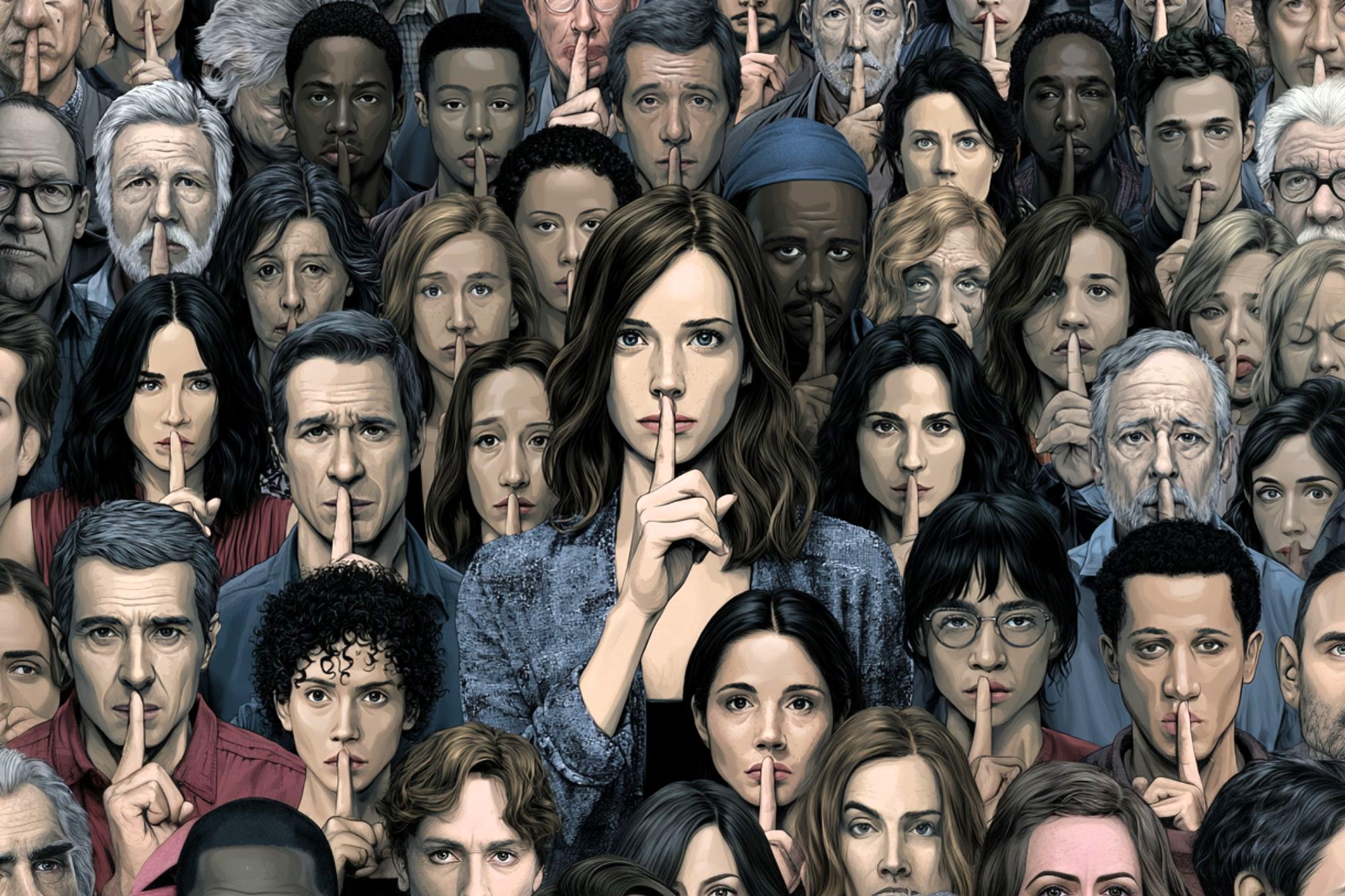
How many of our parents told us as children that life wasn’t easy? Most of us interpreted that as being about the challenges we’d face choosing a career, raising a family, dealing with frozen pipes in wintertime, and so on.
It likely never occurred to us that there were a number of disconcerting facets to human existence that we all find difficult, but seem to have collectively agreed never to discuss with one another. The things listed below are the main ones that most of us struggle with, but rarely get mentioned.
1. Humans are the only species on the planet that need to pay for the right to exist here.
Every other species alive on the Earth is born just to exist. Food and water are abundant for most of them, they can build their homes where they like, feed themselves however they can, and so on.
Meanwhile, humans have to “earn a living” in order to be fed and sheltered. We have to pay for the right to marry whom we like, to feed our families, to access national parks and waterways. None of us asked (or agreed) to be here: others made that choice for us. And now we have to pay for that privilege every day that we’re alive.
2. The unpredictability of our corporeal vessels.
Having a body in order to navigate life here is like being handed keys to a random vehicle you had no input in choosing.
You have no idea what the expectancy is like, whether it’s in good working order, nor do you have much say in its appearance. Sure, you can have it painted and upgraded, but those are mostly cosmetic “fixes.”
Life would probably be a lot easier if we were given a guidebook on how to work with our bodies, namely what illnesses we’ll have to navigate with them, how long they’re going to last, what genetics they may pass on, etc.
3. The helplessness of being unable to make big changes happen as an individual.
Very few of us are multi-billionaires who have the resources available to make big, positive changes happen on this planet.
We do what we can with what we have, but it’s difficult not to feel overwhelmed and helpless when we see endless stories on the news and social media about all the horrible things happening around the world.
We can “think globally, act locally” and try to serve our own communities, but that’s a drop in the ocean as far as major global concerns and conflicts go.
Neither you nor I can stop famine, war, genocide, or climate change, so we avoid those heavy topics in favor of things we can affect.
4. How tiring and tedious keeping ourselves alive can be.
Decision fatigue is a very real thing.
Being an adult feels like deciding what to have for dinner every single night, forever. We often don’t know what we actually “feel like” having, but instead go for whatever meets the magical combination of being edible and is easy to put together — even if it’s just a bowl of cereal or DoorDash ramen.
We have no choice about this either, since we have to eat to stay alive. And more than that, the foods we decide to consume will directly influence our overall health.
So not only do we have to eat, but we have to make a conscious effort to eat as well as possible, within our financial means and culinary capabilities, and so on. It’s exhausting.
5. Not knowing whether there’s actually any meaning to being here.
Life is an astonishingly coincidental thing. In fact, apparently, the chances of you actually being alive right now are about 1 in 102,685,000. That’s 10 followed by 2,685,000 zeros, and to give you some context, the universe only has 1080 atoms.
That’s an astonishing rarity, and makes your existence rather miraculous. As such, it can be confusing and conflicting to be told by numerous religions and philosophies that there’s great meaning and sacredness to life, whereas science reinforces the randomness of life on this planet.
The Romantic poet John Keats had “Here lies one whose name was writ in water” on his gravestone as a commentary on the ephemeral nature of existence.
Although some famous people are remembered for thousands of years, the vast majority of us will be forgotten after a couple of generations. Maybe that’s why a lot of folks see their children and grandchildren as their legacy, or otherwise try to create or do something of great note — so their story doesn’t fade away like dust in the wind.
6. How much of everyday life involves pretense.
When you think about how often you’re expected to be inauthentic on a daily basis, it’s difficult not to feel depressed.
Maybe you’re expected to be pleasant and cheerful at work, even though your colleagues drive you insane, be affectionate with your partner and kids when you want nothing more than a few blessed minutes to yourself, or tell your mother-in-law how delicious her kidney and asparagus casserole is because she went through all that trouble to make it for you.
Most of the time, it seems as though the numerous lies we tell every day aren’t just acceptable, but mandatory in order to remain on good terms with those around us.
This is quite counter to the fact that most of us were raised with the belief that lying is bad and should be avoided at all costs. So we just don’t discuss that hypocrisy with one another, and simply nod and smile our way through excruciating interactions as need be.
7. Miscommunication because we can’t read others’ thoughts.
Life would be so much easier if we could communicate telepathically on occasion. Not all the time, of course: that would be terrifying. But it would be immensely helpful to occasionally be able to tap into another’s brainpan to truly understand what they mean and how they feel, or to let them know our own thoughts and emotions.
The clicks and buzzes we manage to make with our own mouths don’t always clearly express what we have in mind, and countless arguments may be avoided if we were simply capable of beaming our thoughts into one another’s minds.
Oddly enough, many people around us expect us to be able to do exactly that, and get angry with us if we don’t intuitively “know why they’re upset”!
8. Change is constant, and can be difficult to navigate.
“Omnia mutantur, nos et mutamur in illis.” This translates to: “All things change, and we change with them.”
The very nature of existence involves change, whether it’s the metamorphosis from a small seed to a towering tree, the shift from a sunny day to a thunderstorm and back again, or the nature of interpersonal relationships.
Most people like to have a certain degree of certainty and stability in their lives, so they aren’t constantly wracked with anxiety. But in reality, nothing is ever certain, and that’s a terrifying thing to accept.
We’ve pretty much agreed not to talk about that, and instead place great emphasis upon establishing and maintaining stable relationships, jobs, home lives, health, and so on.
We play pretend about the illusion of security, conveniently ignoring the fact that every single aspect of our lives is ephemeral and ever-changing, so we don’t go mad.
The Buddhist perspective on impermanence (Anicca) can be helpful for navigating this. It teaches that the greatest source of human suffering (Dukkha) usually stems from trying to cling to things we love and enjoy in order to freeze them in time, instead of accepting their natural transience.
9. Not knowing what happens after we die.
Death isn’t a topic that most people are comfortable discussing, even though the probability of that event happening is exactly 1 in 1.
We talk about grief when we lose a loved one, of course, but for most people, the process of death and what happens afterward aren’t topics that they’re comfortable discussing.
People who adhere to certain religious beliefs are often more comfortable talking about what happens after death (i.e., heaven, reincarnation), but even they may not be overly eager to focus on that topic too often.
Most people are afraid of dying, even those who have strong faith, so as a collective, we pretty much agree not to talk about it unless we absolutely have to.
Final thoughts…
Most of us have learned how to compartmentalize the disconcerting things about being alive effectively enough to function on a daily basis. Even little things like hyper-awareness of our own pulses, or the fact that our internal organs are constantly jiggling around, can be immensely disconcerting.
We don’t talk about the things listed here because to draw attention to them would mean having to process them, and we generally have bigger issues to deal with.
Being alive is beautiful and miraculous, but also incredibly difficult. We’re all doing our best, though, and that’s something to celebrate.
You may also like...
-

The art of being present: 8 habits of people who show up fully for life itself
-

If you want to make the most of the life you have, you can’t keep neglecting these 9 things
-

6 Differences Between Things That Are ‘Good Difficult’ And Things That Are ‘Bad Difficult’
-

-

The 8 morning habits that secretly betray how you really feel about your life
-

-

9 Types Of Peak Experience You Might Be Lucky Enough To Have In Life (But Can’t Always Plan For)
-

-

About The Author

Finn Robinson has spent the past few decades travelling the globe and honing his skills in bodywork, holistic health, and environmental stewardship. In his role as a personal trainer and fitness coach, he’s acted as an informal counselor to clients and friends alike, drawing upon his own life experience as well as his studies in both Eastern and Western philosophies. For him, every day is an opportunity to be of service to others in the hope of sowing seeds for a better world.
Leave a Reply